

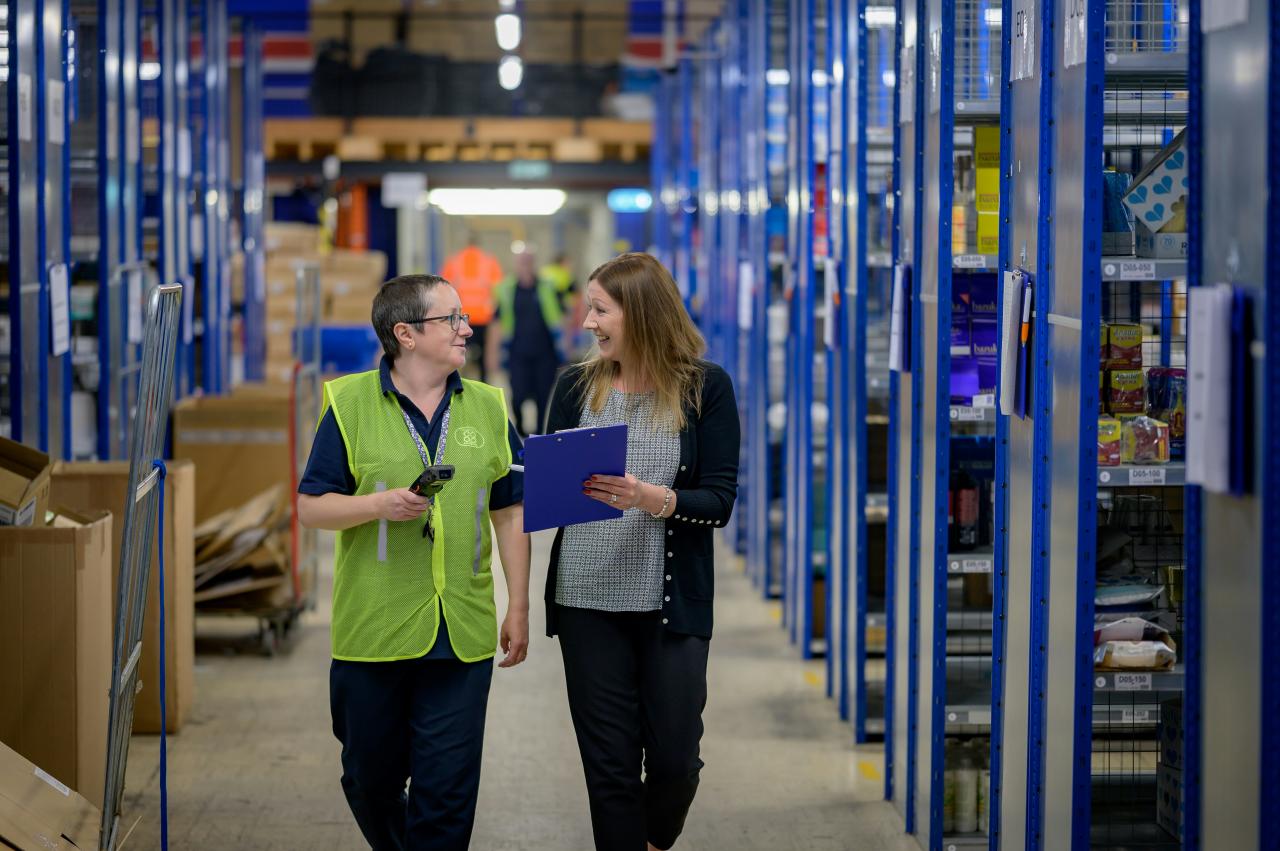
The rapid growth of global e-commerce has triggered an unprecedented demand for massive industrial storage facilities worldwide. Traditional warehouses consume immense amounts of electricity to power continuous lighting, advanced sorting machinery, and intensive climate control networks.
These giant facilities often produce a heavy carbon footprint and generate staggering utility bills that drain corporate profits. Forward-thinking logistics companies are actively abandoning outdated construction habits in favor of eco-friendly warehouse design.
This modern architectural approach integrates sustainable structural materials, smart automation, and renewable energy capture directly into the building blueprint. Implementing green industrial design allows commercial operators to cut their ongoing overhead costs while drastically reducing environmental damage.
It transforms a standard storage depot into a highly efficient facility that meets strict modern environmental standards. Embracing this architectural evolution protects your business infrastructure against future energy crises and volatile resource markets.
A. Advanced Roof Solar Array Integration
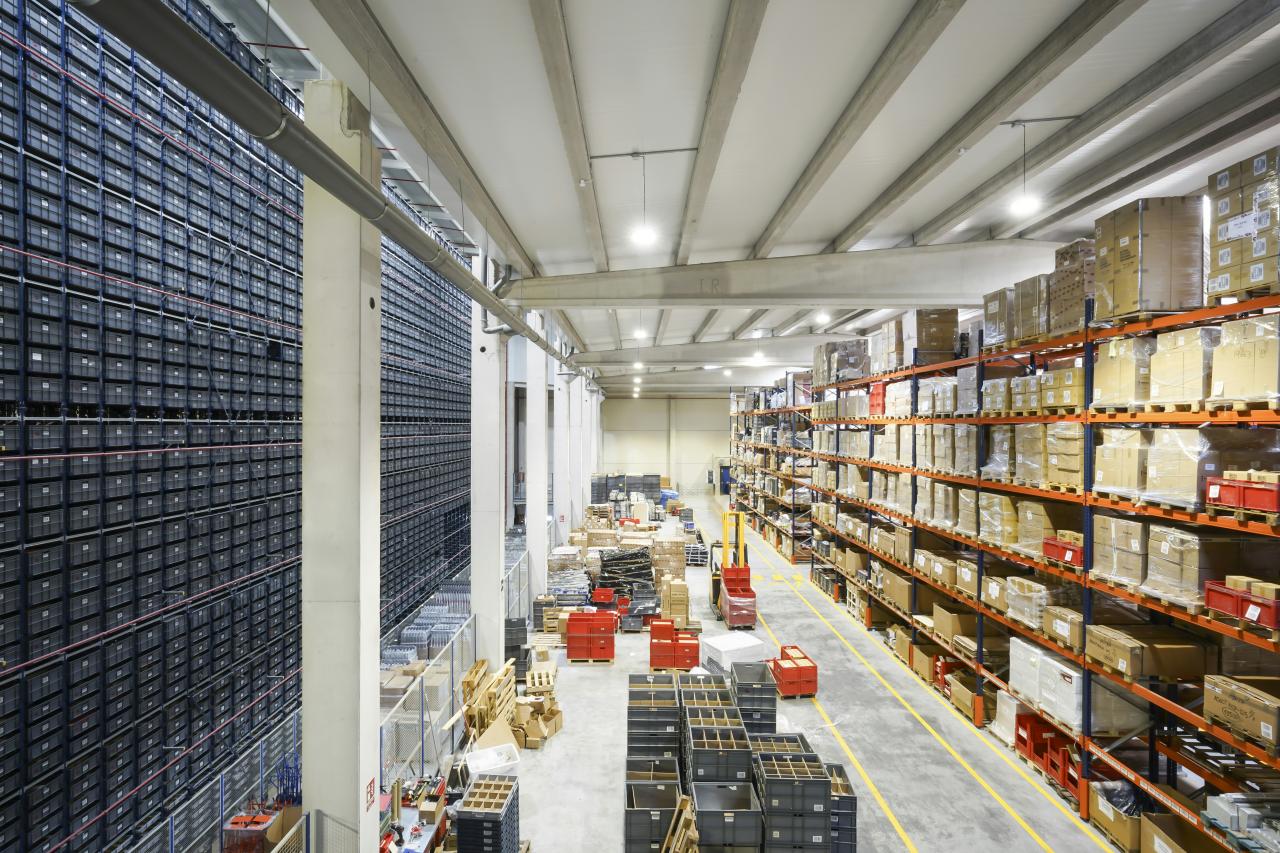
Massive logistics facilities feature sprawling, flat rooftops that sit exposed to direct sunlight throughout the entire day. Smart industrial architects take full advantage of this empty real estate by installing high-efficiency commercial solar panel networks.
These advanced roof arrays generate clean, independent electricity to power the entire building’s mechanical demands during operating hours.
Excess energy collected during peak daylight hours feeds into industrial battery packs for reliable nighttime sorting operations. This structural upgrade shifts your facility from a heavy grid consumer to a self-sufficient power plant.
From my perspective, warehouse owners often worry about the high upfront costs of installing industrial-scale solar equipment. You can easily overcome this financial barrier by calculating the immediate elimination of your monthly commercial electric bills.
This design choice safeguards your logistics business from unpredictable local utility rate hikes and regional energy shortages. It turns a massive, passive structural asset into an active revenue-saving powerhouse from day one.
B. Intelligent Rainwater Harvesting Infrastructure
Large industrial roofs collect millions of gallons of pristine rainwater during heavy storm seasons across the country. Standard warehouse designs route this valuable water directly into public sewer systems, completely wasting a natural resource.
Green facilities resolve this oversight by embedding comprehensive drainage channels that direct water into specialized underground filtration tanks.
The facility cleans and stores this water to handle landscape irrigation, vehicle fleet washing, and bathroom plumbing demands. This circular water setup significantly lowers your dependence on expensive municipal water connections.
I notice that many commercial developers struggle with local storm runoff penalties and expensive drainage management fees. You can solve this regulatory headache completely by capturing and utilizing the water inside your property lines.
This proactive design element reduces your utility bills while preventing heavy localized flooding around your loading dock areas. It offers a practical solution that keeps your facility fully compliant with strict local environmental laws.
C. Cool Roof Coatings and Thermal Insulation
Industrial storage buildings frequently suffer from extreme heat absorption, turning the interior space into a giant oven. This phenomenon forces commercial air conditioning systems to run continuously, which spikes your energy bills and burns out equipment.
Applying specialized highly reflective cool roof coatings prevents up to eighty percent of solar heat from entering the structure. Builders combine these smart liquid coatings with thick, eco-friendly cellulose insulation panels inside the steel wall framing.
This thermal barrier maintains a balanced indoor climate without relying heavily on high-powered cooling fans.
Many inventory managers face constant product spoilage challenges because interior warehouse temperatures fluctuate wildly during summer. You should look at your structural envelope as your primary climate control tool instead of buying bigger HVAC units.
Investing in reflective roof technology keeps your sensitive inventory perfectly safe and improves daily worker productivity levels. It provides a stable environment that protects your corporate profits without consuming precious grid power.
D. High Efficiency LED Layouts and Skylights
Illuminating millions of square feet of indoor storage space requires a continuous supply of heavy electrical energy. Old-fashioned industrial bulbs release immense heat, decay rapidly, and consume vast amounts of electricity every single hour.
Eco-friendly warehouses solve this lighting challenge by installing automated LED fixtures paired with smart motion sensors. Architects also embed clear, UV-blocking structural skylights across the roof deck to flood the active aisles with natural daylight.
The smart sensors dim the artificial lights automatically whenever natural sunlight provides sufficient indoor visibility.
The real trouble with old warehouse lighting is the constant maintenance cost of replacing dead bulbs high above the facility floor. Shifting to an integrated natural daylighting system solves this logistical issue and lowers your daily lighting bills significantly.
Natural daylight also reduces eye strain for your forklift operators, creating a much safer workplace environment. It is a simple design choice that yields massive long-term operational savings for your logistics brand.
E. Low Carbon Concrete and Recycled Steel
The raw materials used to construct standard industrial frameworks generate massive greenhouse gases during their manufacturing phase. Green warehouse projects actively counter this construction damage by utilizing low-carbon concrete mixes and recycled structural steel beams.
Engineers replace traditional cement binders with industrial byproducts like fly ash to reduce the overall environmental impact. These sustainable material alternatives deliver the exact same structural load capacity and durability ratings as standard options. This choice ensures your heavy-duty storage facility remains completely safe under maximum inventory loads.
I see many corporate leaders searching for complex ways to reduce their corporate carbon tracking metrics on paper. You can achieve your environmental targets easily by locking low-carbon materials directly into your physical warehouse foundation.
This decision removes the need to buy expensive external carbon offsets to satisfy your eco-conscious investors. It builds solid long-term brand equity while creating a highly durable asset that lasts for generations.
Conclusion
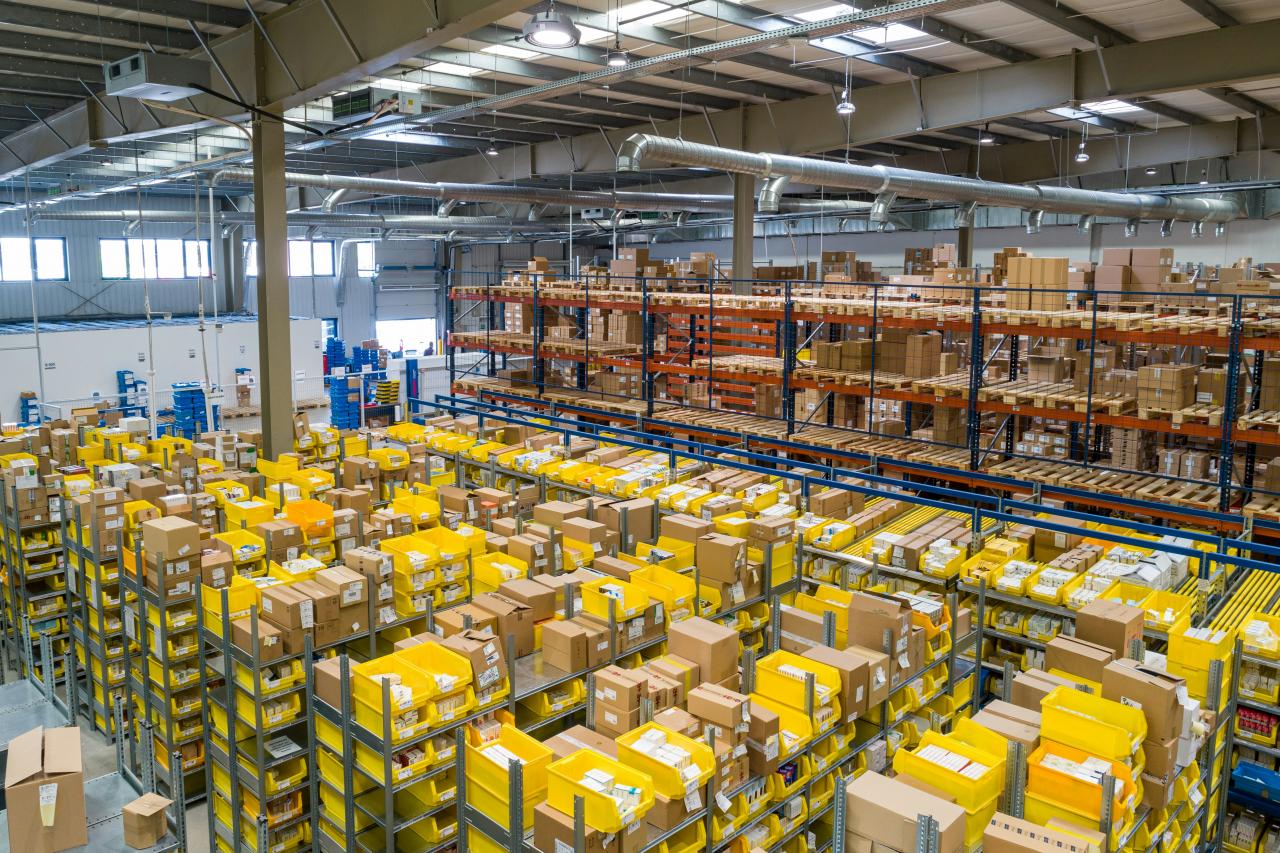
Eco-friendly warehouses represent the smartest path forward for modern industrial logistics. They reduce massive corporate overhead costs by utilizing natural resources efficiently. You can finally maximize your operational profits with total confidence today. Solar roof arrays generate clean independent electricity for your entire sorting facility.
This setup eliminates your reliance on expensive public energy providers completely. Trust this technology to protect your business from sudden price spikes. Rainwater collection systems turn empty roof space into a great utility asset. You save money on water bills while stopping local dock flooding.
This infrastructure keeps your industrial building running smoothly during heavy storms. Cool roof coatings keep your interior storage temperature beautifully stable all summer. Your inventory stays completely safe from extreme heat damage around the clock. This smart insulation strategy reduces the strain on your cooling machinery.
Natural skylights flood your active aisles with bright and free daylight everyday. Smart motion sensors turn off artificial fixtures when zones stay empty. This simple integration creates a much safer environment for your team. Don’t let outdated industrial habits drain your corporate capital anymore now.
The green architecture revolution offers spectacular tools for every smart developer. Take the lead and upgrade your logistics network infrastructure right now. Securing an elite business footprint requires progressive and sustainable design choices.
Eco-friendly construction materials provide the structural strength that your brand deserves. Success is certain when your warehouse operates with maximum environmental efficiency.

