

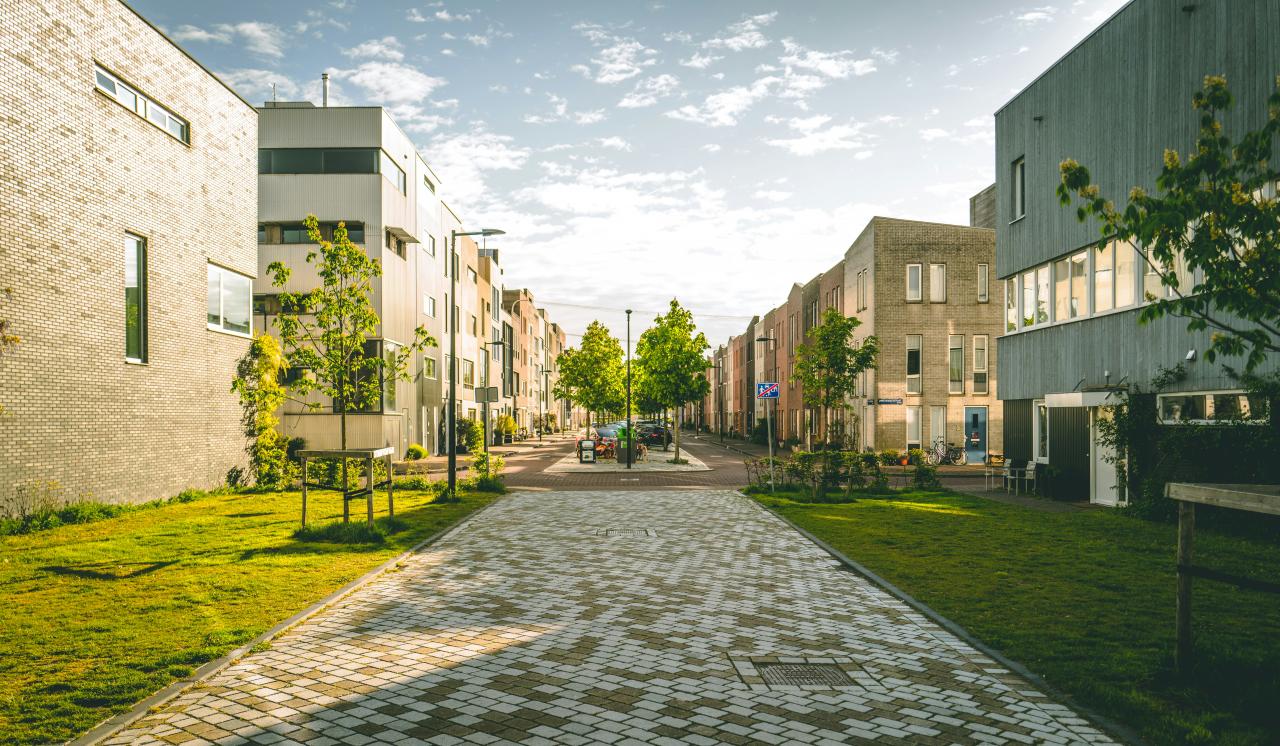
Living in a modern metropolitan area often feels like survival inside a massive, suffocating prison made entirely of gray concrete and asphalt. Traditional urban planners prioritize high-density vehicular roadways and towering glass skyscrapers over the biological needs of human beings.
This cold, synthetic environment continuously spikes mental exhaustion, creates severe respiratory issues due to trapped pollution, and alienates people from the healing power of nature. Fortunately, a revolutionary design movement is completely transforming how progressive developers build our primary urban centers today.
Biophilic urban design integrates natural elements directly into the core structural fabric of modern city landscapes. This empathetic framework incorporates expansive sky forests, vertical living walls, native pollinator corridors, and natural wetlands into active commercial districts.
Embracing this green blueprint allows cities to restore local ecosystems while drastically reducing the stressful impacts of dense metropolitan living. It transforms a sterile concrete jungle into a vibrant, oxygen-rich sanctuary where urban professionals can finally breathe easy and thrive.
A. Vertical Forests Combat the Dangerous Urban Heat Island Effect
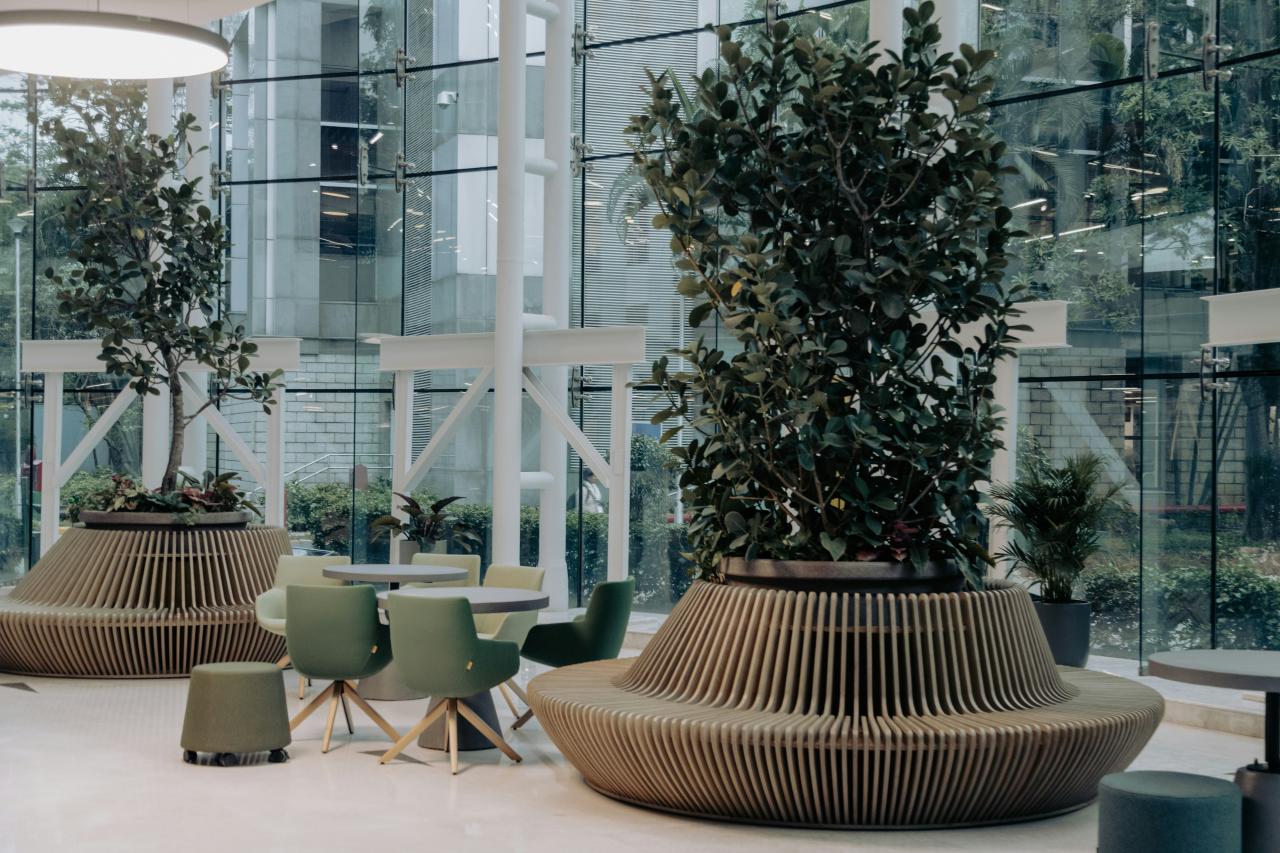
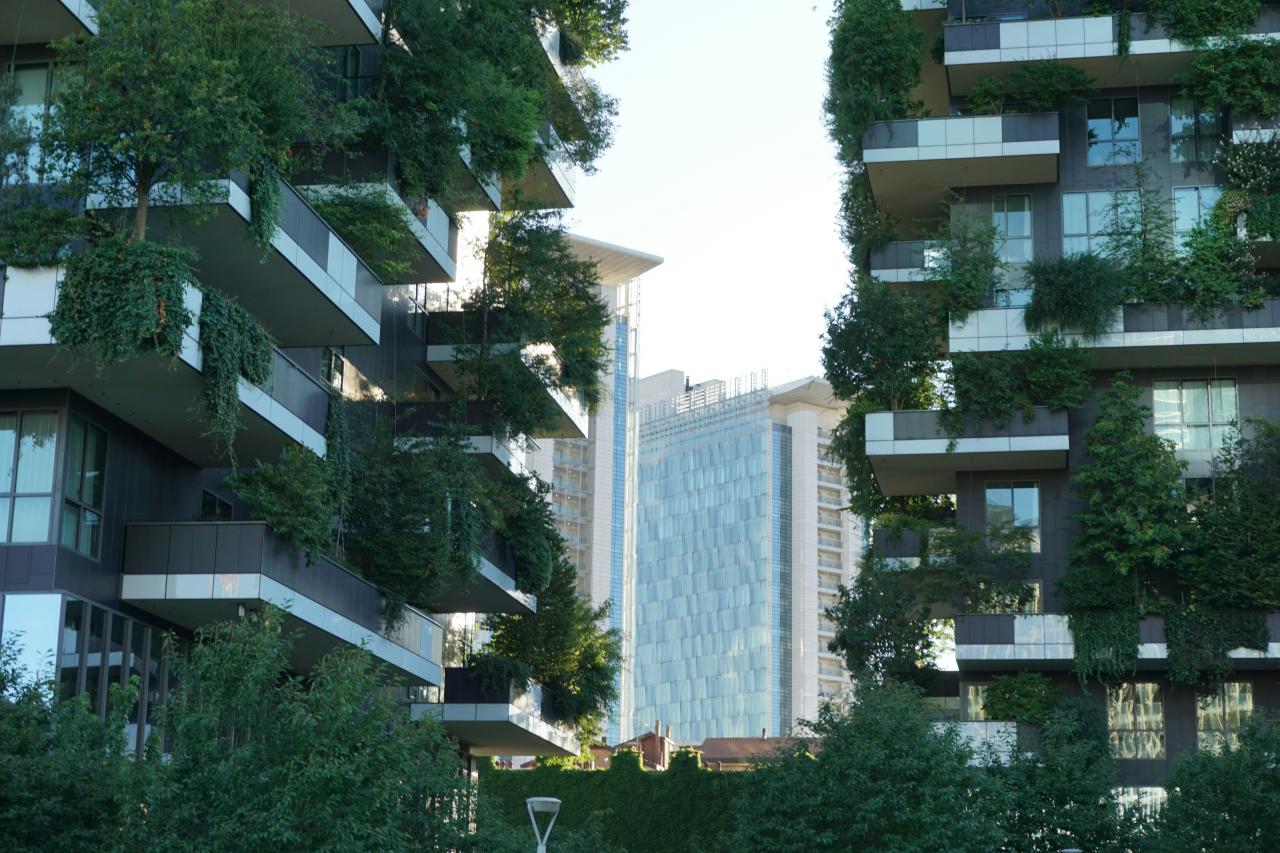
Towering concrete towers and expansive asphalt roads absorb an immense amount of solar radiation throughout the day, creating dangerously hot microclimates inside city centers. Biophilic architecture solves this environmental crisis by wrapping skyscraper facades in lush vertical forests and multi-layered balcony gardens.
These living building envelopes intercept direct sunlight, using natural plant transpiration to cool the surrounding air temperature significantly. The thick vegetation acts as a powerful structural shield that lowers the cooling energy demands of the entire building. It replaces bleak gray concrete with vibrant, shifting shades of green that refresh the eyes of tired commuters below.
From my perspective, many real estate developers worry that maintaining thousands of plants on a vertical tower will create massive structural water leaks. You can easily solve this engineering challenge by utilizing self-contained, lightweight modular planters equipped with automated drip irrigation loops and integrated moisture sensors.
This hardware setup delivers the exact amount of water your plants need without allowing excess moisture to touch the primary building concrete. It eliminates your structural decay anxieties completely while providing a gorgeous, heat-reducing green shield that increases your property value. This smart choice turns a risky maintenance liability into a highly profitable, eco-friendly marketing asset.
B. Urban Wetlands Manage Flash Floods and Filter Stormwater Naturally
Traditional city layouts rely heavily on rigid underground concrete drainage pipes to clear out heavy rainwater during sudden seasonal storms. This old-fashioned infrastructure easily overflows during intense downpours, causing catastrophic flash floods that destroy valuable ground-floor commercial properties.
Biophilic urban planning replaces these inefficient concrete channels with natural constructed wetlands, bioswales, and porous green retention basins. These organic landscape features absorb massive volumes of rushing stormwater like a giant sponge, allowing the water to sink safely back into the earth.
The soil and plant roots filter out dangerous heavy metals and automotive chemicals before the water reaches local rivers.
I notice that municipal boards frequently hesitate to build wetlands because they fear these open water features will become muddy breeding grounds for annoying mosquitoes. You can easily eliminate this biological pest problem by stocking your urban wetlands with native predatory fish species and installing solar-powered water aerators.
Continuous water movement and natural biological predators stop mosquito larvae from developing, keeping your public parks completely comfortable and clean. This ecological balance solves the maintenance dilemma perfectly while creating a beautiful, peaceful waterfront escape for local families. It transforms a dangerous flood hazard into a highly desirable community park space.
C. Green Rooftops Improve Urban Air Quality and Trap Pollutants
Spending your morning walk breathing in toxic exhaust fumes from gridlocked city traffic causes chronic respiratory diseases and lowers overall life expectancy. Incorporating expansive green rooftop gardens across commercial zones introduces a highly effective, natural air filtration network right above the smog line.
Plant leaves actively trap fine particulate matter, absorb harmful carbon emissions, and release fresh, crisp oxygen back into the urban breathing zone.
This continuous purification process creates a noticeably cleaner, healthier air column that benefits every single resident living down on the street level. It establishes an active environmental filter that works around the clock without consuming expensive electrical power.
The real trouble with rooftop gardens is that building owners often select fragile exotic flowers that die quickly under harsh, windy rooftop conditions. You should populate your sky gardens exclusively with hardy, low-maintenance native succulents and drought-resistant wild grasses.
This botanical selection solves the survival problem completely, ensuring your green rooftop remains lush and functional without requiring constant attention from landscape crews.
It provides an ironclad layer of insulation that cuts your building’s winter heating costs while delivering an inspiring rooftop sanctuary for your tenants. This simple choice saves your operational funds while maximizing your local environmental impact.
D. Wildlife Corridors Restore Natural Biodiversity in Commercial Districts
Expanding concrete cities completely destroys the natural habitats of native birds, beneficial insects, and small local animals, forcing them into extinction. Biophilic urban layouts fix this ecological destruction by designing continuous networks of green pocket parks, roadside wildflower verges, and vegetated eco-bridges.
These connected green pathways allow displaced wildlife species to travel, feed, and reproduce safely through the heart of busy commercial zones. Restoring this natural biodiversity brings the soothing melodies of birdsong back into our daily lives, which naturally lowers human cortisol levels. It creates a balanced urban ecosystem where human industry and wild nature co-exist in perfect harmony.
Many business executives assume that inviting wildlife back into commercial centers will result in unhygienic conditions that scare away premium retail customers. You can easily guide this animal interaction by planting specific flora that attracts beautiful songbirds and colorful butterflies while avoiding plants that draw pests.
This targeted landscaping strategy solves your hygiene concerns entirely while turning your shopping districts into enchanting, highly memorable garden destinations. It delivers a unique visual experience that encourages visitors to slow down, explore, and spend more time inside your business footprint. This natural integration boosts local economic activity while healing the fractured local ecosystem beautifully.
E. Pocket Parks Enhance Citizen Mental Health and Productivity
The relentless noise, frantic pace, and visual clutter of a standard concrete city layout trigger chronic mental fatigue and reduce workplace concentration. Biophilic urbanism combats this psychological decay by embedding small, highly accessible pocket parks into every vacant urban corner and alleyway.
These miniature green oases feature comfortable wooden benches, shading tree canopies, and small therapeutic water fountains that mask harsh traffic noise.
Taking a brief ten-minute break inside these natural zones allows stressed office workers to reset their focus and restore their creative energy. It provides a crucial psychological safety valve that prevents professional burnout across your entire metropolitan workforce.
I see many city designers making the mistake of packing these small parks with cold metal sculptures and complex concrete paths, which ruins the natural escape. You should keep your pocket park layouts simple, focusing heavily on soft grass lawns, touchable earth textures, and accessible seating.
This design path solves the problem of mental overstimulation by providing a genuine contrast to the rigid geometry of surrounding skyscrapers. It delivers an inviting, peaceful rest stop that honors human scale and emotional peace over cold architectural showmanship. This minimalist natural approach maximizes the true healing benefits of your urban green spaces.
Conclusion
Biophilic urban design provides the absolute ultimate solution for saving our cold concrete cities. It removes physical metropolitan stress by placing natural ecosystems at the very center of urban planning. You can finally build highly profitable and healthy urban communities with total confidence today.
Vertical skyscraper forests eliminate the dangerous urban heat island effect by cooling building surfaces naturally. The living green walls reduce energy consumption while transforming ugly concrete structures into beautiful icons. Trust this innovative engineering to keep your downtown core feeling vibrant and completely comfortable well.
Constructed urban wetlands absorb massive amounts of rushing stormwater to prevent costly flash floods safely. The natural root systems filter out toxic chemicals before they reach our precious local waterways. This proactive infrastructure choice stops drainage overflows while creating lovely waterfront parks for families now.
Lush green rooftops trap harmful air pollution particles while generating fresh oxygen continuously all day. Hardy native succulents ensure your sky garden remains beautiful without requiring any expensive maintenance. This clean environmental asset lowers your utility expenses while protecting public respiratory health always.
Connected wildlife corridors invite beautiful songbirds back into busy commercial shopping districts effortlessly. The soothing sounds of nature lower human stress levels while driving up local property values. This ecological balance transforms sterile city streets into a highly prestigious and peaceful sanctuary landscape.
Don’t let outdated and crowded concrete engineering choices drain your workforce’s creative energy anymore. The green urban revolution provides spectacular long-term advantages for every progressive property developer. Take the lead and implement biophilic design frameworks into your neighborhood blueprints right now.
Building a resilient and highly prosperous metropolitan empire requires intelligent and sustainable technological choices. Integrated natural infrastructure delivers the seamless operational efficiency that modern city dwellers truly deserve. Success is certain when your urban concrete jungle operates alongside a brilliant green soul.

