

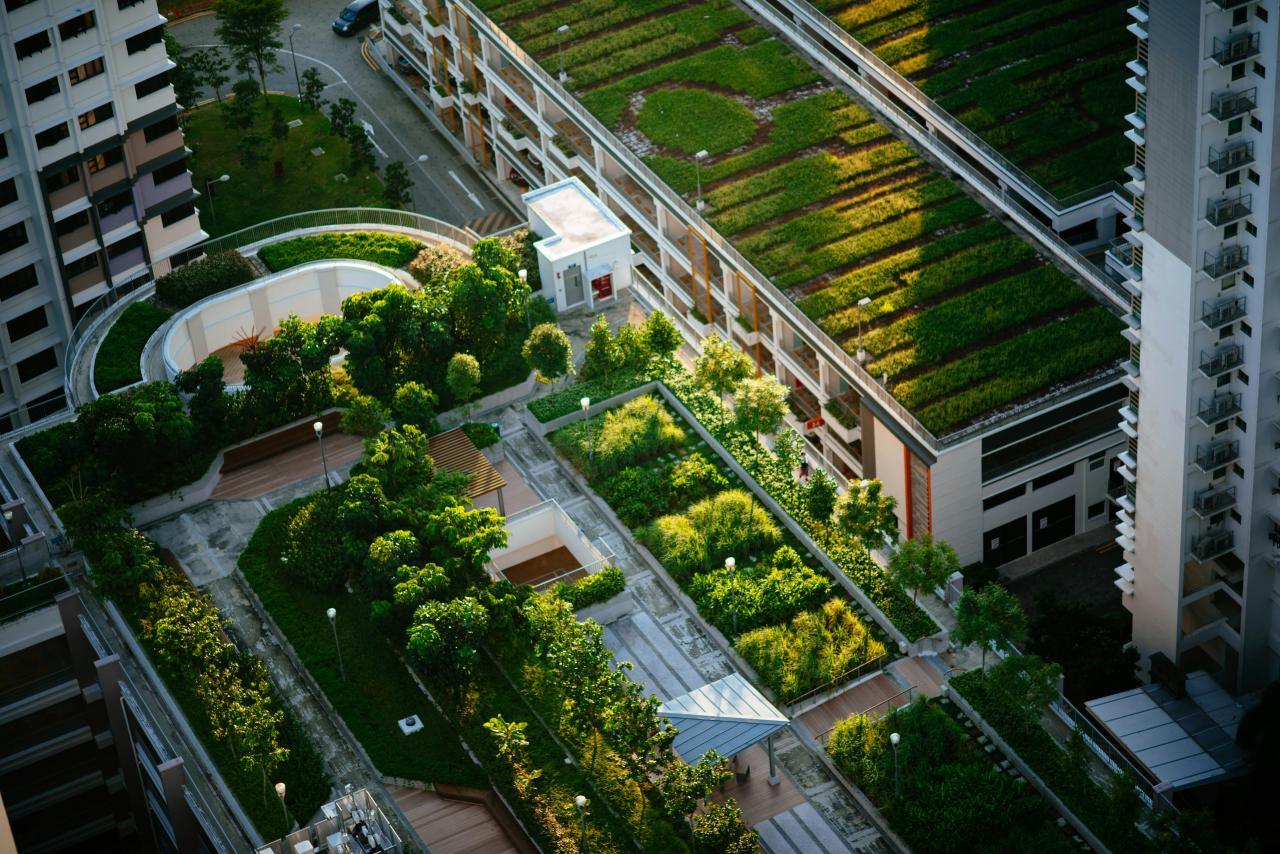
The rapid expansion of concrete jungles has created a serious environmental crisis for city residents worldwide. Giant brick buildings, asphalt roads, and heavy vehicle traffic continuously release harmful particulate matter into our shared breathing space.
This intense pollution gets trapped within narrow street canyons, causing widespread respiratory irritation and spiking daily smog levels significantly. Fortunately, property owners are fighting back against this invisible threat by transforming empty rooftops into lush ecosystems.
Installing integrated green roof infrastructure allows urban communities to capture airborne toxins right where they originate. These living systems utilize specialized vegetation blankets to absorb carbon dioxide and release fresh, clean oxygen directly into the atmosphere.
Beyond purifying the local breeze, rooftop gardens act as natural sponges that capture heavy rainwater and cool down overheating city centers. Embracing this architectural evolution allows you to turn a neglected structural space into an active environmental filter. It is a highly practical way to safeguard public health while boosting the long-term value of urban properties.
A. Natural Vegetation Mats Catch Particulate Matter
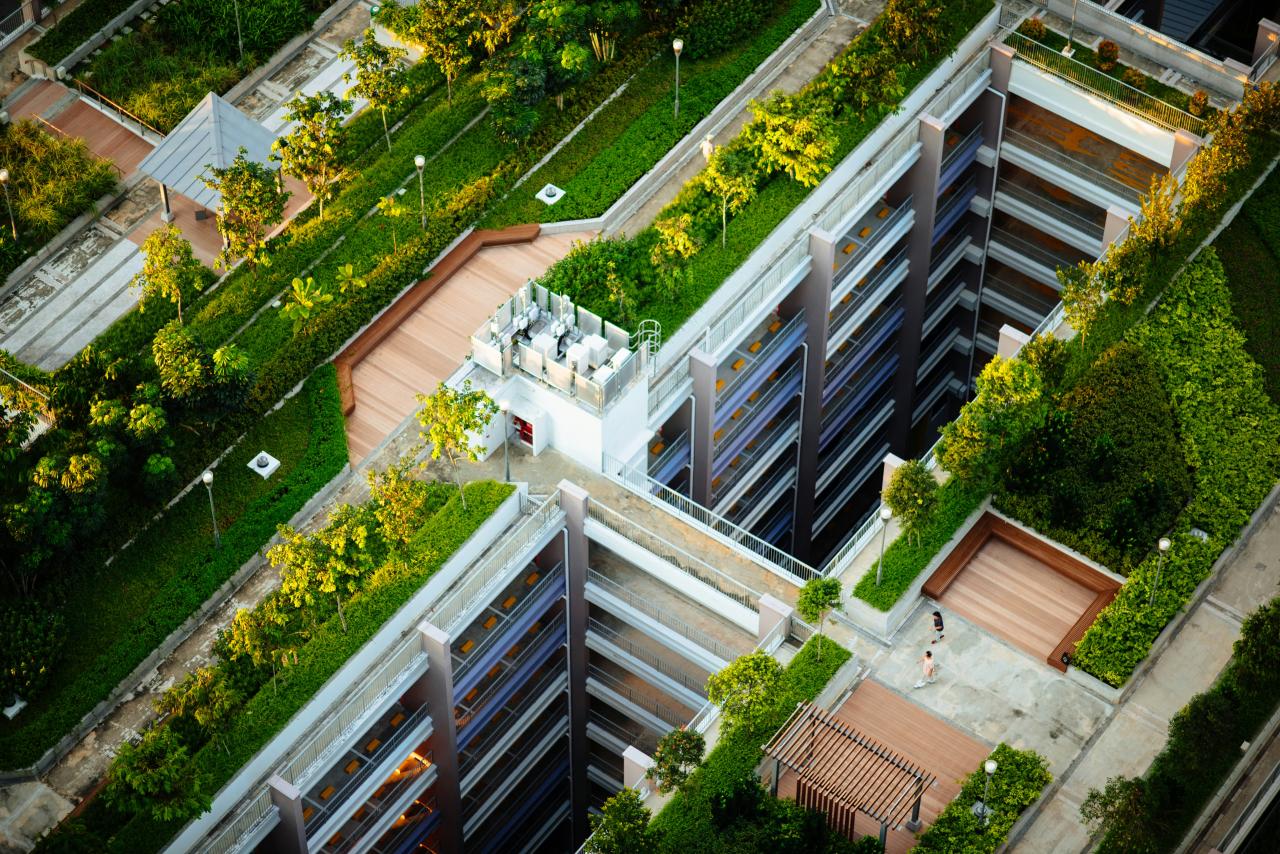
Standard gravel roofs collect immense solar heat and allow heavy wind to whip dust back into the local air currents. Green roof systems solve this issue by replacing bare surfaces with dense mats of sedum, wild grasses, and hardy succulents. The complex physical structure of these plants acts as a living filter that catches swirling dust and microscopic soot particles.
When wind passes over the rooftop garden, the foliage traps the floating debris directly on the leaf surfaces. The next passing rain shower safely washes these captured pollutants down into the soil matrix rather than into your lungs.
From my perspective, developers often worry that these specialized plants will wither quickly under the intense, direct sun of a high-rise rooftop. You can easily solve this management problem by choosing native perennial varieties that thrive naturally on minimal rainfall and rocky soil conditions.
This smart botanical selection removes the need for expensive, high-maintenance watering systems while keeping your air-filtering shield lush and active all year. It delivers a highly resilient system that cleans your neighborhood air completely free of charge.
B. Dramatic Reduction of Urban Heat Island Effects
Dark rooftop materials like rubber and asphalt absorb immense amounts of solar radiation throughout the sunniest hours of the day. This trapped energy radiates back into the surrounding air, creating a suffocating bubble of heat known as the urban heat island effect. High localized temperatures accelerate the chemical reactions that form dangerous ground-level ozone and toxic urban smog layers.
Green roofs break this vicious cycle through a natural cooling process called evapotranspiration, where plants release moisture into the breeze. This continuous misting action drops local roof surface temperatures by up to thirty degrees during peak summer weather.
I notice that many building managers spend a fortune on high-powered exhaust fans to clear out stagnant, hot air from top-floor units. You should use the cooling power of living vegetation to manage your building’s external climate envelope naturally.
This design strategy lowers your property’s ambient temperature and cuts down the regional energy demand that drives dirty coal power plants. It provides an elegant solution that cools your entire block while keeping your electricity spending completely under control.
C. Advanced Multi Layered Structural Drainage Liners
A successful rooftop garden relies on a sophisticated stack of synthetic layers that protect the underlying concrete foundation perfectly. Workers install a heavy-duty root barrier sheet directly over the primary waterproof membrane to stop aggressive plant growth from cracking the building.
Above this shield sits a specialized dimpled drainage mat that holds a specific volume of water while letting excess rainfall flow away. A durable fabric filter layer separates the lightweight engineered growing soil from the drainage zone to prevent clogging over time.
This clever engineering layout ensures the entire system remains perfectly stable, lightweight, and completely watertight through heavy storm seasons.
Many property owners fear that adding soil and water onto their roof decks will cause sudden structural leaks or costly ceiling collapses. You can easily eliminate this anxiety by utilizing ultra-lightweight volcanic aggregate growing mediums instead of standard heavy garden soil.
This simple material swap solves the weight issue completely and allows older buildings to support thriving green systems without requiring expensive steel reinforcements. It protects your structural asset while creating an efficient water-retention network on top of your house.
D. Urban Carbon Sequestration and Clean Oxygen Release
Industrial city zones produce massive amounts of carbon emissions from continuous delivery trucks, local factories, and commercial heating systems. Rooftop gardens tackle this chemical overload through the classic process of photosynthesis, turning your roof into a carbon-capturing asset.
The living foliage breathes in ambient carbon dioxide molecules and locks the carbon away safely within the plant roots and organic soil. Simultaneously, the chemical reaction releases a continuous stream of pure, fresh oxygen back into the local urban breathing zone. This constant gas exchange helps balance the air chemistry around crowded downtown apartment complexes.
The real trouble with corporate green initiatives is that buying abstract carbon credits does nothing to improve the immediate air quality around your office. You should invest in physical green infrastructure on your own roof deck to provide direct, measurable health benefits to your local community.
This choice solves the problem of local air stagnation and shows your tenants that you care deeply about their daily respiratory wellness. It turns an invisible environmental goal into a vibrant, visual reality that everyone can appreciate.
E. Maximizing Sound Insulation and Building Lifespan
Continuous urban noise pollution from low-flying airplanes, emergency sirens, and highway traffic lowers human sleep quality and increases stress. The combination of loose organic soil and flexible plant tissue on a green roof absorbs ambient sound waves beautifully rather than reflecting them.
This natural sound barrier dampens high-frequency city noise by up to eight decibels, creating a peaceful indoor sanctuary below. Furthermore, the thick layer of vegetation shields the primary roofing materials from destructive ultraviolet rays and sudden temperature shifts. This protective blanket doubles the actual operational lifespan of your roof membrane, saving immense replacement costs down the road.
I see many landlords wasting thousands of dollars on expensive acoustic drywall layers to satisfy tenant complaints about street noise. Shifting your acoustic insulation strategy to the exterior roof deck solves your noise problems while adding a massive layer of weather protection.
This dual-purpose upgrade stops material degradation caused by constant sun exposure, cutting your long-term renovation costs to zero. It creates a quiet, highly durable building that commands a premium price point in any real estate market.
Conclusion
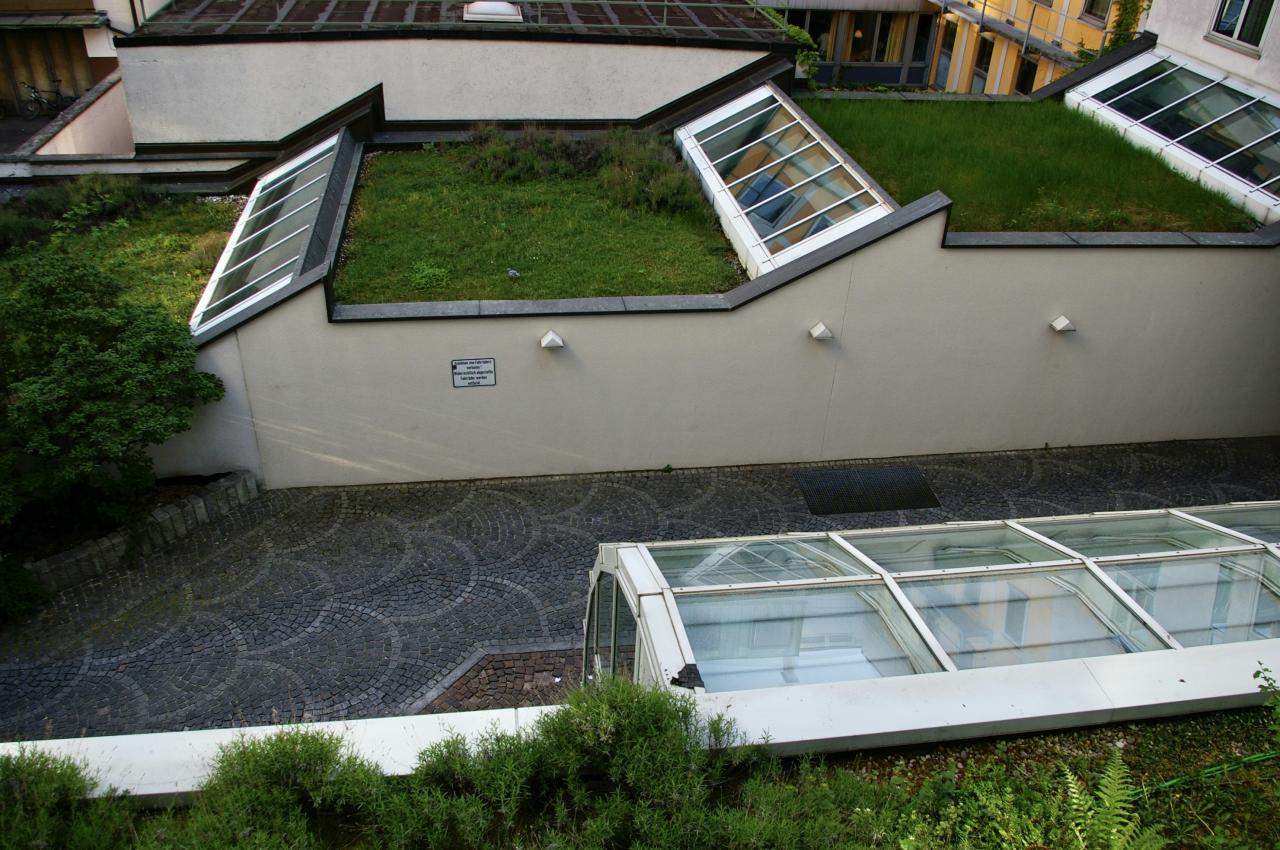
Green roof designs offer a highly effective solution for cleaning dirty urban air. They capture dangerous dust particles before the wind can blow them into local homes. You can finally enjoy a much healthier and safer living environment today. Living vegetation cools down hot city surfaces through natural moisture release.
This cooling action stops the chemical formations that create toxic summer smog. Trust this modern infrastructure to protect your neighborhood from extreme heat. Advanced drainage mats protect your building foundation from water leaks perfectly. Lightweight volcanic soils keep the structural load very safe for older properties.
This smart engineering setup removes all your anxiety regarding rooftop garden weight. Plants absorb carbon emissions constantly and release fresh oxygen into your rooms. This continuous chemical exchange improves the immediate air quality around your block. This wellness shift boosts the overall value of your residential property well.
Thick soil layers block loud street noises from disturbing your indoor peace. The green blanket also protects your roofing membranes from harsh ultraviolet damage. This structural protection saves you money by extending your roof’s lifespan significantly. Don’t let empty concrete roofs collect heat and pollution anymore now.
The green architecture revolution provides spectacular tools for every smart property owner. Take the lead and transform your local urban skyline right now. Building a sustainable legacy requires intelligent and progressive design choices. Eco-friendly infrastructure delivers the clean environment that your family truly deserves.Success is certain when your roof actively purifies the world around you.

